
By Nina Steiner Call / Text 310.487.2982 or Email Nina
Los Angeles is on track to become the global hub for adaptive sports, and the momentum is building fast. With the 2028 Paralympic Games approaching, L.A. is expanding training programs, investing in accessibility, and attracting athletes, nonprofits, and organizations looking to establish a strong presence before the Games. Part of that growth includes securing the right accessible space, from offices to training facilities. and that’s where I help teams and organizations prepare successfully for the road to 2028.
How Los Angeles Is Building a Paralympic-Ready City
Across the region, from Santa Monica to Downtown to the South Bay, organizations are gearing up for increased participation, media attention, and operational needs. L.A. isn’t waiting for 2028; it’s actively shaping a long-term ecosystem where adaptive athletes, coaches, and support teams can train, work, and grow.
And for many of these groups, one of the first questions is:
“Where do we operate from?”
That includes accessible offices, community-facing headquarters, training spaces, and short-term production or event space.
Here’s what’s driving Los Angeles forward:
Key Advancements Fueling L.A.’s Paralympic Momentum
- Expanding Accessible Facilities
With over 22 adaptive-friendly facilities, including the Toyota Sports Performance Center in El Segundo and multiple LA84 Foundation sites, L.A. offers a wide range of spaces where athletes can safely train. Many groups also need office space nearby to coordinate programs, staff, and logistics. - Strengthening Youth Development Pipelines
Programs like Angel City Sports, which impacts more than 1,000 young athletes annually, rely on functional operational space to grow. I help organizations find offices near parks, universities, and recreation centers to streamline programming and events. - Growing Adaptive Sports Technology Sector
Innovation hubs in Santa Monica, Torrance, and Pasadena are producing world-class prosthetics and training tools. These companies often need light industrial, R&D, or hybrid workspaces, and I assist in locating accessible buildings that match technical requirements. - Local Competitions Increasing Demand for Space
The Angel City Games at UCLA, drawing athletes from 40+ states, require staging areas, storage, and temporary operations hubs. I help groups secure short-term and long-term space to support events of this scale. - Major Accessibility Investments
L.A. has upgraded 150+ miles of sidewalks and enhanced public facilities citywide. Organizations preparing for 2028 need spaces that meet ADA standards, and I help evaluate each property’s accessibility, from parking and restrooms to elevators and path of travel. - High Concentration of Elite Athletes
With growing athlete communities training at UCLA, USC, CSULB, Loyola Marymount, and Westside facilities, many teams need space near these hubs. I guide them toward options that minimize commute times and support daily training schedules.
Why the Los Angeles Paralympics Will Be a Turning Point
The 2028 Paralympics has already begun reshaping expectations, not only for athletes, but for the organizations, brands, and content teams supporting them. And as the momentum builds, the need for dedicated space grows with it.
L.A.’s Media Power Creates Unmatched Visibility
As the entertainment capital of the world, Los Angeles provides unparalleled opportunities for athlete storytelling, sponsorships, and adaptive-sports coverage. Production companies supporting Paralympic content often require temporary production offices, editing suites, or creative workspace, and I help secure those in key locations like Culver City, Santa Monica, and Hollywood.
A Year-Round Training Environment
With 300+ sunny days per year, L.A. enables continuous outdoor and indoor training. From adaptive surfing in Malibu to track sessions at UCLA, training organizations often need nearby office or warehouse space for equipment storage, recovery rooms, or staff—another area where I serve as a resource.
Commitment to Inclusion and Growth
L.A.’s diversity fuels a strong culture of inclusion. Nonprofits, coaches, and youth programs rely on accessible work and training environments. Many of them reach out for help finding space that meets budget, location, and accessibility standards, and I help them navigate that process efficiently.
Adaptive Sports Gaining Momentum Throughout L.A.
Los Angeles offers one of the widest ranges of adaptive sports programs in the U.S., supported by facilities and communities across the region.
Adaptive Sports Growing in Popularity Across Los Angeles
- Wheelchair basketball in Van Nuys and the Valley
- Adaptive surfing in Malibu, Venice, and Manhattan Beach
- Paralympic track & field training at UCLA
- Adaptive rowing at Marina del Rey
- Wheelchair tennis in Carson and Westchester
- Sled hockey in El Segundo
As these programs expand, the support teams behind them increasingly require space for operations, whether it’s 3,000 SF of office space or 20,000 SF of warehouse-style training buildouts. I help bridge that gap.
How I Support Paralympic Teams, Nonprofits, and Sports Organizations With Space
As Los Angeles prepares for 2028, many organizations are asking the same question:
“Where can we find accessible, centrally located space that works for our athletes and staff?”
Here’s how I help:
- Finding accessible office, training, and operational space in West L.A., Santa Monica, Culver City, Marina del Rey, and surrounding areas
- Evaluating ADA compliance across restrooms, elevators, parking, entrances, and internal layout
- Locating warehouses or hybrid spaces for equipment storage, training build-outs, or media production
- Sourcing flexible short-term or long-term leases for teams preparing for major events
- Touring multiple properties quickly, even with specialized requirements
- Helping nonprofits secure affordable solutions without sacrificing functionality
Los Angeles has the resources—my role is to help adaptive sports organizations find the physical space that brings their mission to life.
Frequently Asked Questions
How can organizations find accessible space in Los Angeles for Paralympic-related work?
Work with a broker who understands adaptive sports, accessibility needs, and the Westside market. I help teams evaluate ADA compliance, identify suitable buildings, and secure the right mix of office, training, and storage space near key universities and athletic hubs.
What neighborhoods are best for Paralympic teams or adaptive sports programs?
Top areas include Culver City, Westwood, Santa Monica, Playa Vista, Marina del Rey, Carson, and South Bay. These locations offer proximity to universities, gyms, training centers, and major venues, all essential for teams preparing for 2028.
How early should organizations secure space ahead of the 2028 Games?
Most groups should begin the search 12–24 months in advance, especially if they need specialized buildouts or large, accessible facilities. Space demand will rise significantly as 2028 approaches, and early planning ensures better options and pricing.
By Nina Steiner Call / Text 310.487.2982 or Email Nina
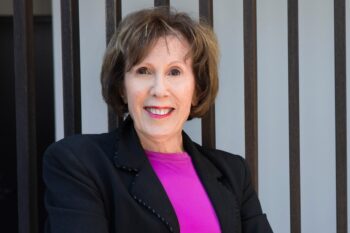
I’ve always been someone who reads the room.
It started in live television, where timing was everything and silence usually meant something was on fire. With years of experience behind the scenes in TV production, I learned how to stay calm, think creatively, and resolve issues before they become problems.
Now, 𝗮𝘀 𝗮 𝘁𝗲𝗻𝗮𝗻𝘁 𝗿𝗲𝗽 𝗯𝗿𝗼𝗸𝗲𝗿 𝗮𝘁 𝗦𝗮𝘅𝘂𝗺 𝗪𝗲𝘀𝘁, I bring that same mindset to commercial real estate.
It’s not about pushing space, it’s about understanding people. When someone tells me they need an office, what they mean is:
“𝙒𝙚 𝙣𝙚𝙚𝙙 𝙖 𝙝𝙤𝙢𝙚 𝙗𝙖𝙨𝙚 𝙛𝙤𝙧 𝙞𝙙𝙚𝙖𝙨, 𝙙𝙚𝙖𝙙𝙡𝙞𝙣𝙚𝙨, 𝙘𝙡𝙞𝙚𝙣𝙩𝙨, 𝙖𝙣𝙙 𝙘𝙤𝙛𝙛𝙚𝙚 𝙗𝙧𝙚𝙖𝙠𝙨. 𝘼𝙣𝙙 𝙬𝙚 𝙣𝙚𝙚𝙙 𝙞𝙩 𝙨𝙤𝙤𝙣.”
𝗧𝗵𝗮𝘁’𝘀 𝘄𝗵𝗲𝗿𝗲 𝗜 𝗰𝗼𝗺𝗲 𝗶𝗻.
I don’t just lease office space. I help you get the right space at the right price!
Nina Steiner – TenantRepLA
Text: 310-487-2982
Email: nsteiner@saxumwest.com
Website: TenantRepLA.com