
By Nina Steiner Call/Text 310.487.2982
Retail and mixed-use space in Downtown Culver City continues to outperform many Westside Los Angeles submarkets because it functions as a real neighborhood rather than a single-use retail strip. Concentrated roughly around Culver Boulevard, Main Street, Washington Boulevard, and Overland Avenue, this area benefits from steady foot traffic generated by office workers, residents, and visitors throughout the day. Unlike retail corridors that rely heavily on weekends, Downtown Culver City sees consistent activity Monday through Friday, with evenings and weekends driven by dining and entertainment.
Table of Contents
ToggleA concentrated employment base fuels weekday demand
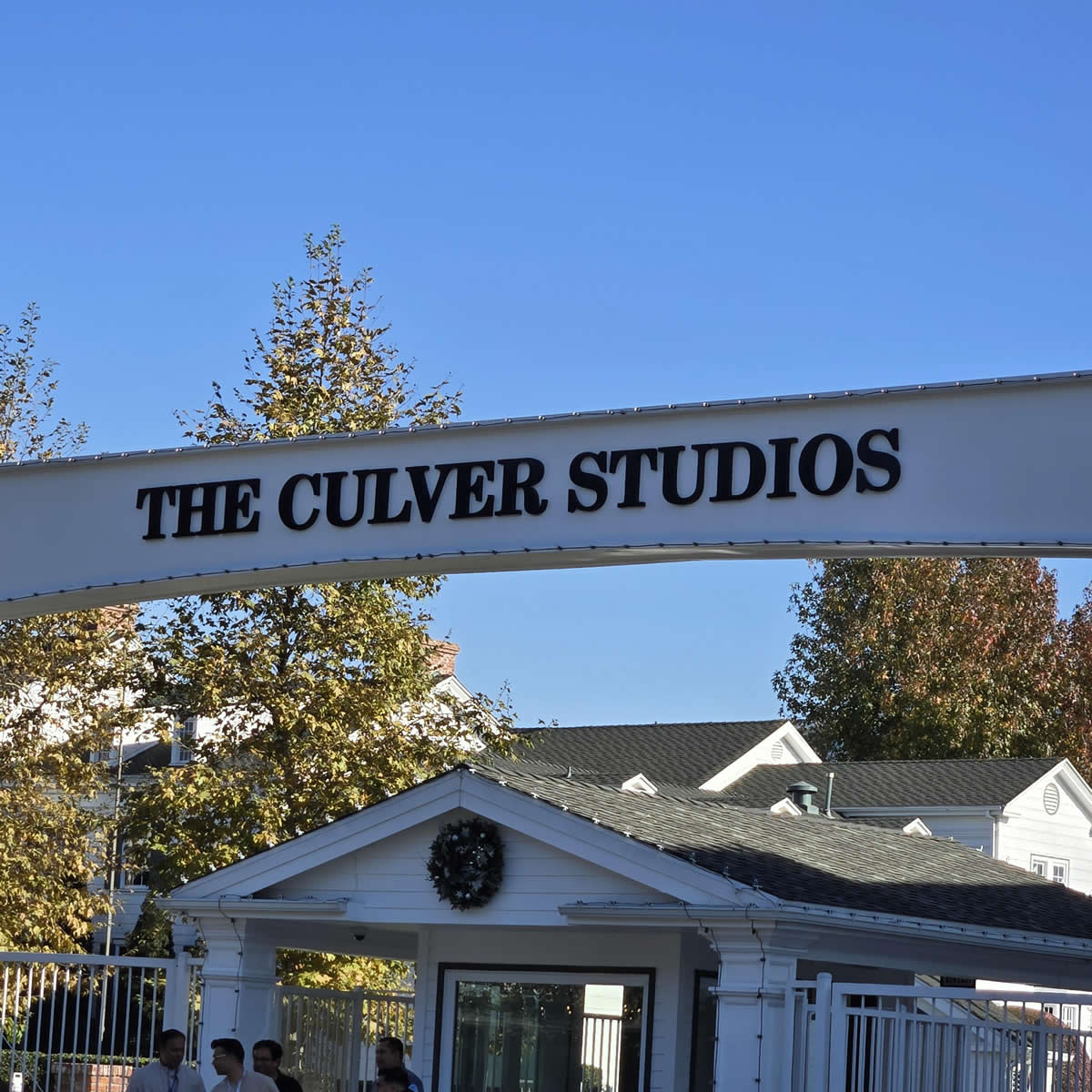
Downtown Culver City sits adjacent to Culver Studios and within about a one-mile radius of thousands of employees working in media, entertainment, tech, advertising, and post-production. This daytime population supports retail uses that depend on predictable weekday volume, especially food and service concepts.
Residential density supports repeat business
Several thousand apartment and condo units are located within a 10-minute walk of the downtown core. This residential base supports retail that benefits from repeat visits rather than one-time destination traffic.
Transit and accessibility expand the trade area
The Culver City E Line station connects the area directly to Downtown Los Angeles and Santa Monica. Major arterials including Venice Boulevard and Jefferson Boulevard make the district easily accessible from Palms, Mar Vista, West Adams, Playa Vista, and Marina del Rey.
Mixed-use zoning creates long-term stability
Much of Downtown Culver City allows retail, office, residential, and hospitality uses within the same building, encouraging landlords to curate tenant mixes that support the entire property rather than maximizing retail rent alone.
Restaurant-driven activity increases dwell time
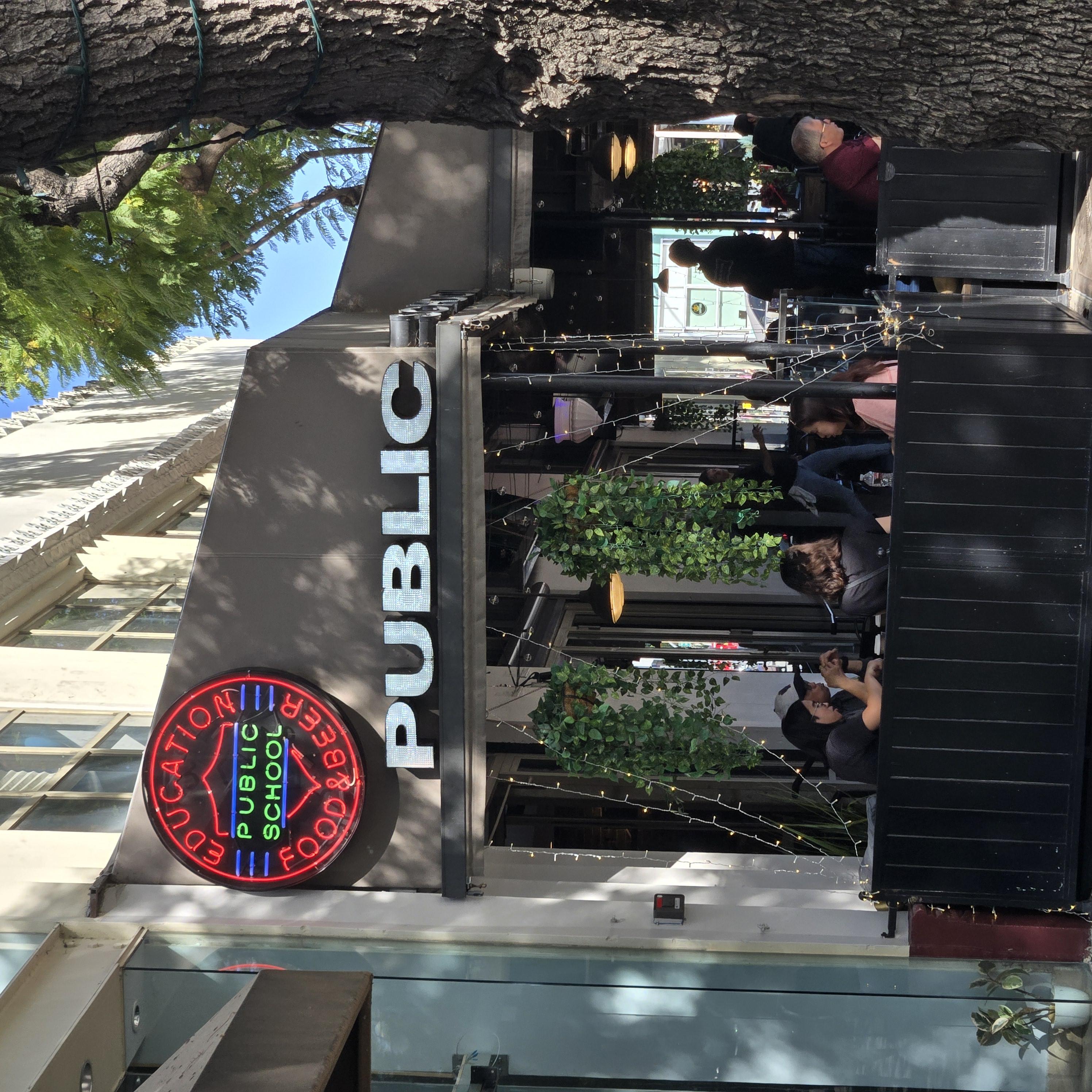
Restaurants, cafés, and bars are a major driver of evening and weekend traffic, which benefits nearby service-oriented and experiential retail.
Limited retail inventory keeps demand competitive
Despite ongoing mixed-use development, true ground-floor retail inventory remains constrained, helping stabilize rents in prime locations.
Retail rents in Downtown Culver City vary widely based on frontage, visibility, ceiling height, and whether the space is located in a newer mixed-use project or an older standalone building. Prime ground-floor spaces along Culver Boulevard and Main Street typically command higher rents due to visibility and pedestrian counts, while spaces slightly off the core often provide better value without sacrificing access to the neighborhood.
When evaluating mixed-use retail, tenants should also consider how the landlord views retail within the overall project. In many cases, retail is positioned as an amenity that supports office leasing and residential occupancy rather than a pure income driver.
Key factors tenants often evaluate include
• visibility and signage restrictions
• delivery access and trash handling
• operating hours allowed by the building
• proximity to food, fitness, and daily-use services
• relationship to office or residential entrances above
Retail concepts that perform best in Downtown Culver City tend to be service-oriented or experience-driven rather than traditional soft-goods retail.
Common high-performing uses include
• fast-casual and full-service restaurants
• coffee and beverage concepts
• boutique fitness and wellness studios
• salons and personal services
• medical-adjacent or professional services
• experiential or showroom-style retail tied to creative industries
Leasing retail in a mixed-use environment requires a different mindset than leasing a standalone retail building. Retail tenants operate alongside office workers during the day and residents at night, which influences everything from hours of operation to noise levels and customer flow.
Successful mixed-use retail typically aligns with
• predictable daily demand rather than spikes
• repeat local customers instead of tourists
• complementary uses rather than competing ones
• clear circulation and separation from residential lobbies
Most retail spaces in Downtown Culver City range from approximately 800 to 3,500 square feet. Smaller footprints often work well for food, beverage, and service concepts, while larger spaces are usually found in newer mixed-use developments and may suit restaurants, fitness studios, or experiential retail. Parking availability, signage rules, and build-out costs can vary significantly by property and should be evaluated early in the process.
Frequently Asked Questions
What types of retail tenants perform best in Downtown Culver City?
Retail concepts that rely on repeat local customers tend to perform best. Restaurants, cafés, fitness studios, wellness providers, and personal services consistently outperform traditional soft-goods retail, especially when they align with nearby office and residential demand.
Is Downtown Culver City better suited for local operators or national brands?
Local and regional operators often outperform national brands because the neighborhood favors authenticity and daily-use retail. National brands can succeed when they adapt to the local market rather than relying on standardized formats.
How long does it typically take to lease retail or mixed-use space in this area?
From initial tour to lease execution, timelines commonly range from 60 to 120 days. Mixed-use projects often involve additional approvals and coordination, which can extend negotiations compared to traditional retail buildings.
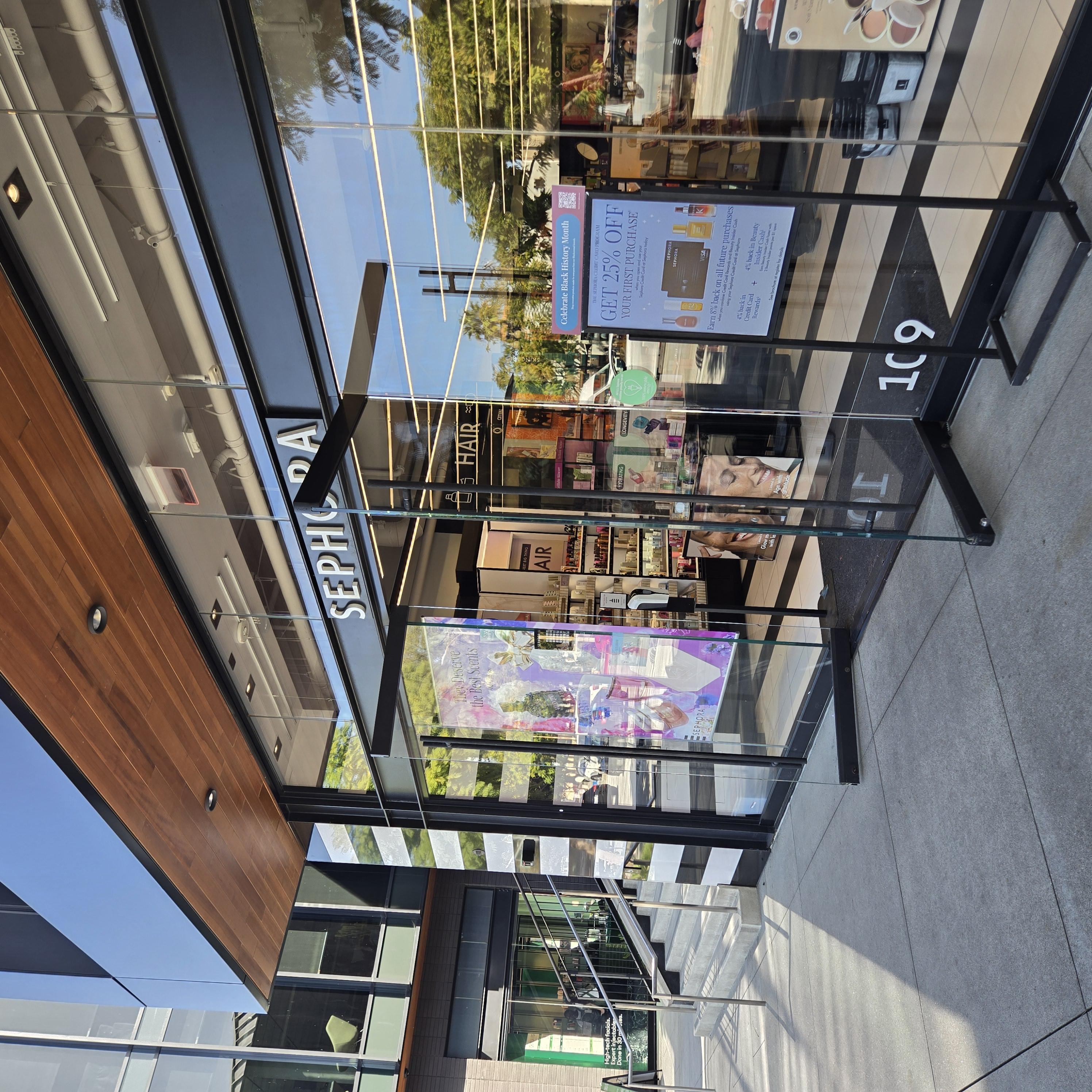
If you’re exploring retail or mixed-use space in Downtown Culver City, taking time to understand foot traffic patterns, tenant mix, and how buildings function day to day can help avoid costly missteps and lead to stronger long-term results.

I’ve always been someone who reads the room.
It started in live television, where timing was everything and silence usually meant something was on fire. With years of experience behind the scenes in TV production, I learned how to stay calm, think creatively, and resolve issues before they become problems.
Now, 𝗮𝘀 𝗮 𝘁𝗲𝗻𝗮𝗻𝘁 𝗿𝗲𝗽 𝗯𝗿𝗼𝗸𝗲𝗿 𝗮𝘁 𝗦𝗮𝘅𝘂𝗺 𝗪𝗲𝘀𝘁, I bring that same mindset to commercial real estate.
It’s not about pushing space, it’s about understanding people. When someone tells me they need an office, what they mean is:
“𝙒𝙚 𝙣𝙚𝙚𝙙 𝙖 𝙝𝙤𝙢𝙚 𝙗𝙖𝙨𝙚 𝙛𝙤𝙧 𝙞𝙙𝙚𝙖𝙨, 𝙙𝙚𝙖𝙙𝙡𝙞𝙣𝙚𝙨, 𝙘𝙡𝙞𝙚𝙣𝙩𝙨, 𝙖𝙣𝙙 𝙘𝙤𝙛𝙛𝙚𝙚 𝙗𝙧𝙚𝙖𝙠𝙨. 𝘼𝙣𝙙 𝙬𝙚 𝙣𝙚𝙚𝙙 𝙞𝙩 𝙨𝙤𝙤𝙣.”
𝗧𝗵𝗮𝘁’𝘀 𝘄𝗵𝗲𝗿𝗲 𝗜 𝗰𝗼𝗺𝗲 𝗶𝗻.
I don’t just lease office space. I help you get the right space at the right price!
Nina Steiner – TenantRepLA
Text: 310-487-2982
Email: nsteiner@saxumwest.com
Website: TenantRepLA.com